
Three numbers behind the debate
For decades the rule in venture investing was that great startups are built by teams. These figures show where that rule came from and why it is being questioned.
Figure 1. Solo-founded startups today
of new US startups in the first half of 2025 had a solo founder, up from 23.7% in 2019.
Source: Carta, Solo Founders Report (2025)
Figure 2. The picture before Gen AI
of the high-potential startups in Wasserman's dataset were solo-founded.
Source: Wasserman (2012)
Figure 3. Teams are a risk too
of failures in their portfolio companies were attributed by venture capitalists, in one survey, to problems within the management team.
Source: Gorman & Sahlman (1989), as cited in Wasserman (2012)
The three figures come from different samples and periods, so they should not be compared directly. The page Solo founders: what the research says explains each one.
Why The Solo Thesis exists
Since the release of ChatGPT in November 2022, one person with generative AI can do a large part of the work that used to need a founding team. More founders are starting alone, and many of them want to build companies that grow, not lifestyle businesses.
Investors and startup programmes now have to decide what a founder without a co-founder is worth. Most of the public conversation on this is opinion, and almost all of the data comes from the United States. European funds and programmes are deciding with evidence from another market.
The Solo Thesis collects what research and data say about solo founders, shows where the evidence is weak, and explains what it means for the people who select and fund startups in Europe. It is part of my doctoral research on Gen AI solo founders.
Start here
Solo founders: what the research says
How common solo founders are, why investors have been cautious, what Gen AI changed and what is still unknown.
Read the evidenceEvaluating solo founders
A briefing for venture capital firms, angels, accelerators and incubators, with the questions to ask a founder who builds alone.
Read the briefingWhat is a Gen AI solo founder?
A working definition, and how a solo founder differs from a solopreneur and from a one-person company.
Read the definitionThe research
How generative AI is changing venture creation, the behaviour of founders, the playbook of investors and work itself.
See the line of researchLatest writing
Each piece takes one question about solo founders and looks at the evidence on both sides.
- Solo founders were a red flag. Is the flag changing sides?Why investors flag solo founders, why teams were never risk-free, and what Gen AI changes on each side.
- Solo founders and the light backpack as the new moatWhen anyone can build a product, being light and fast may protect a company more than the product does.
- All writing
About the author
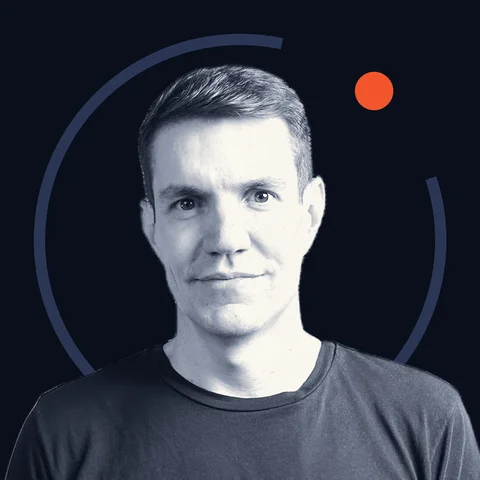
I am Fabio Ivatiuk, a PhD researcher at Universidad Pontificia Comillas in Madrid, working with investors and startup programmes across Europe. I study Gen AI solo founders: people who build companies alone and use AI for much of what a co-founder used to do.
Before the doctorate I spent more than 15 years building digital products. I founded some ventures, raised capital in Brazil and the United States, and sold a company. I mentor founders at Endeavor, Unicorn Factory Lisboa, NOVA SBE and Comillas Emprende.
Read more about me or invite me to speak.